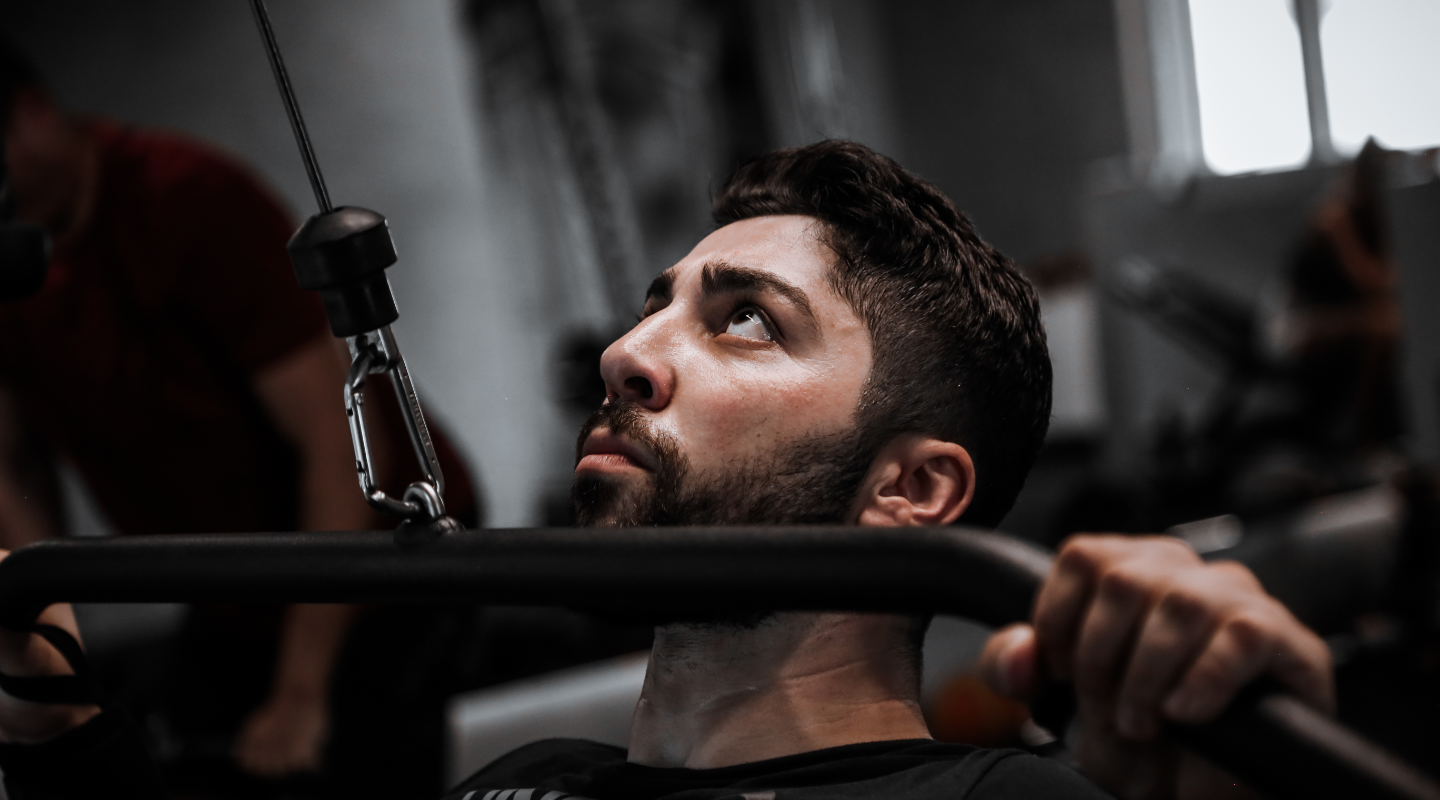
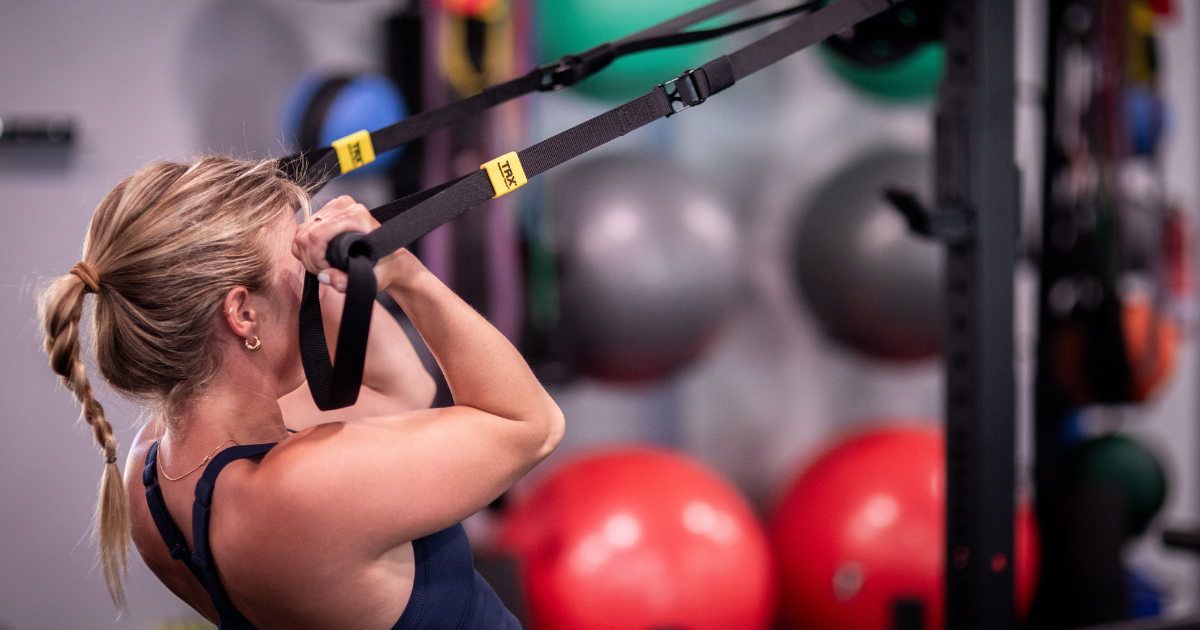
A lot of people who call us about private personal training in Charleston have the same history. They've had a gym membership. Some have had three. The first month goes fine, the second month gets patchy, and by month four the card is just taking up space in a wallet. When we ask what happened, the answer is rarely "I got lazy." It's usually something smaller and more specific, like the gym was packed at 5:30, or they didn't know what to do once they got there, or they felt like everyone was watching.
None of those are character flaws. They're design problems, and a private studio is built to solve them. Here's what actually changes when you walk through a different kind of door.
No Crowd, and Why That Matters More Than You'd Think
A big box gym is built for volume. The business model works best when thousands of members sign up and a fraction of them show up regularly. That means open floors, rows of equipment, and peak hours when the place is full of people.
For some people, that environment is fine. For others, it's the whole reason they stopped going. If you're self-conscious about your body, new to lifting, coming back after an injury, or just not feeling your best that week, a packed gym floor can feel like a stage. You're deciding where to stand, whether someone's watching you do a squat, and whether you're using the machine "wrong." That's mental energy spent before the first rep.
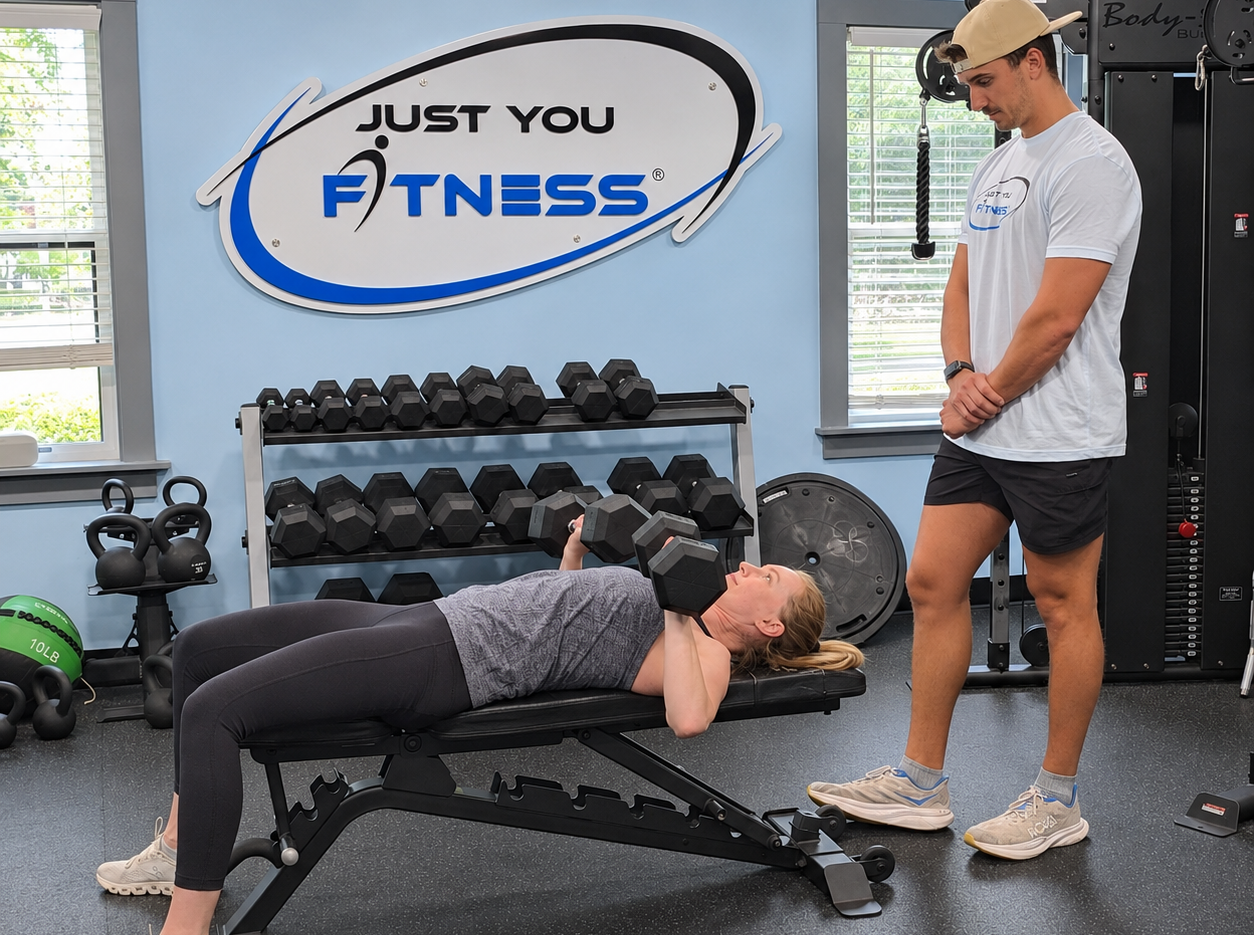
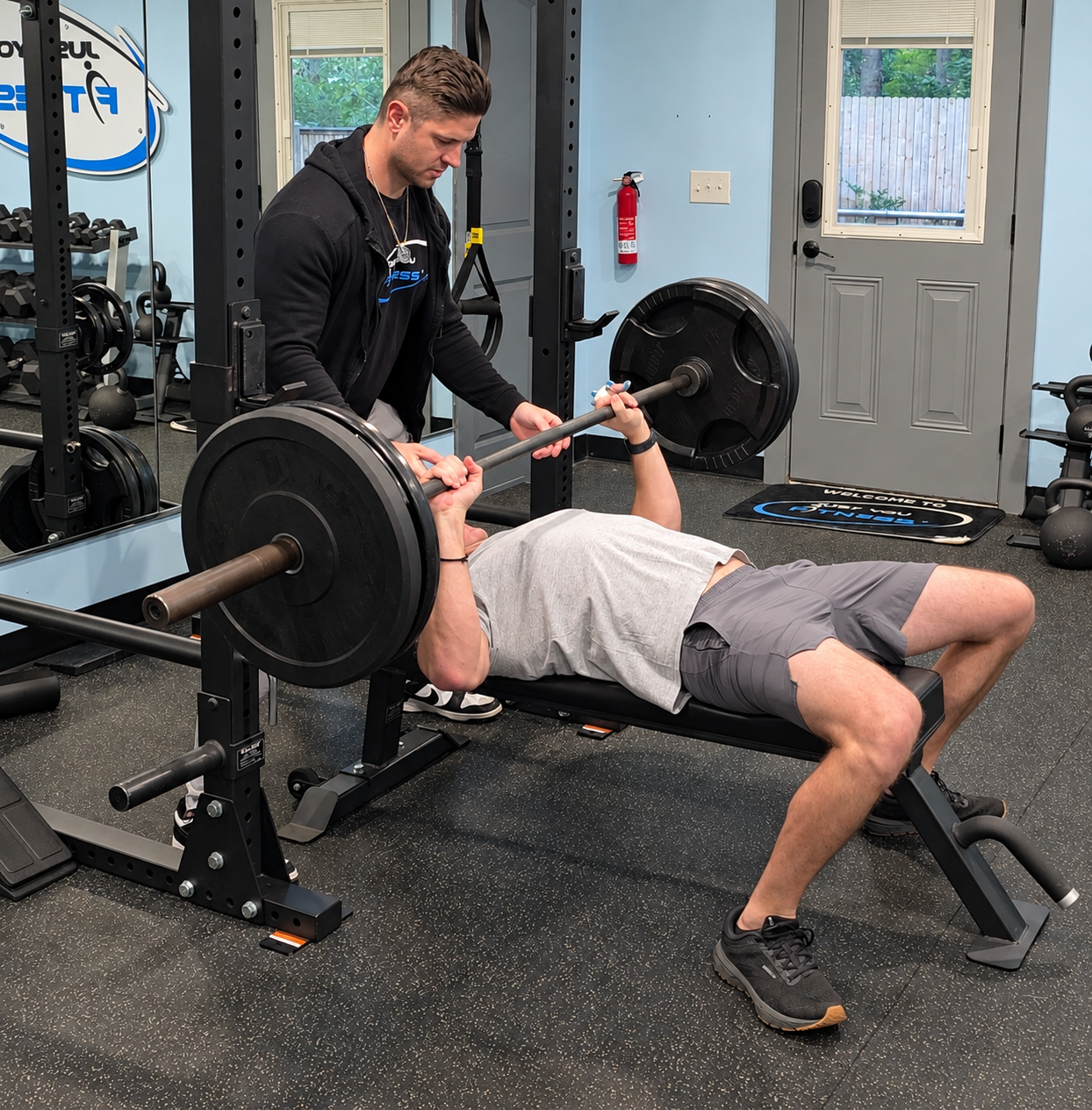
At a private personal training studio, it's you and your trainer. That's it. Nobody's behind you waiting for the rack, nobody's glancing over at your form, and nobody's comparing. The room is quiet enough that you can actually concentrate on the movement.
A client of ours, a man in his early forties, hadn't set foot in a gym in about ten years. He told us on his first visit that he'd driven past a big gym near his house a dozen times and never gone in, because he was sure he'd look lost. In our studio, he did his first session with nobody around but his trainer, asked every beginner question he had without lowering his voice, and left saying it was the first time exercise hadn't felt embarrassing. He's been coming consistently ever since.
No Waiting for Equipment
This one sounds minor until you've lived it. You show up at 5:45pm after work, you've got 45 minutes, and the bench you need is taken. The squat rack has a line. Someone is on their phone between sets on the cable machine. By the time you get your turn, a third of your workout is gone, and your warm-up has cooled off.
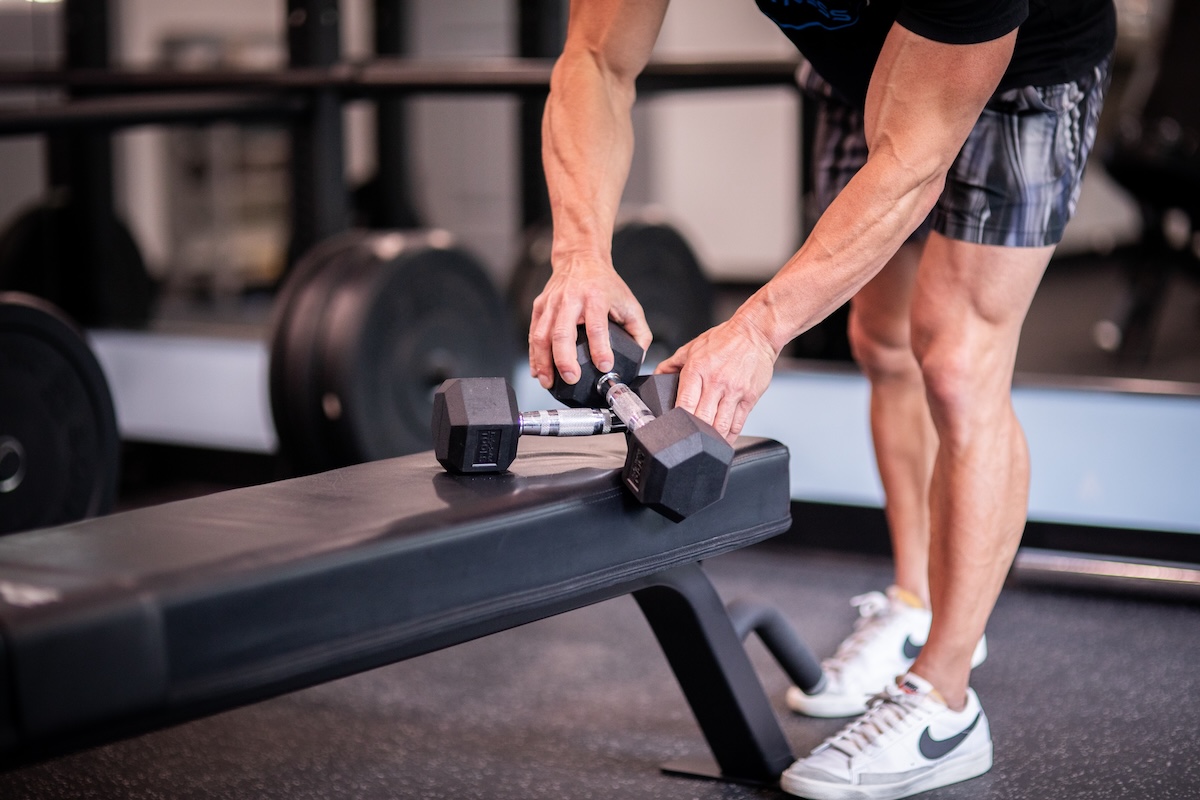
In a private studio, the equipment is yours for your session. Your trainer sets up the next exercise while you finish the current one, so there's no standing around and no rearranging the workout based on what's free. You spend your time actually training, which means a shorter session can get more done than an hour on a crowded floor.
A Plan That's Built for You, Not a Machine Circuit
Walk into a big box gym and you're handed a map and a lot of options. That's great if you already know what you're doing. If you don't, it's a lot of guessing, and guessing tends to turn into repeating whatever you did last time.
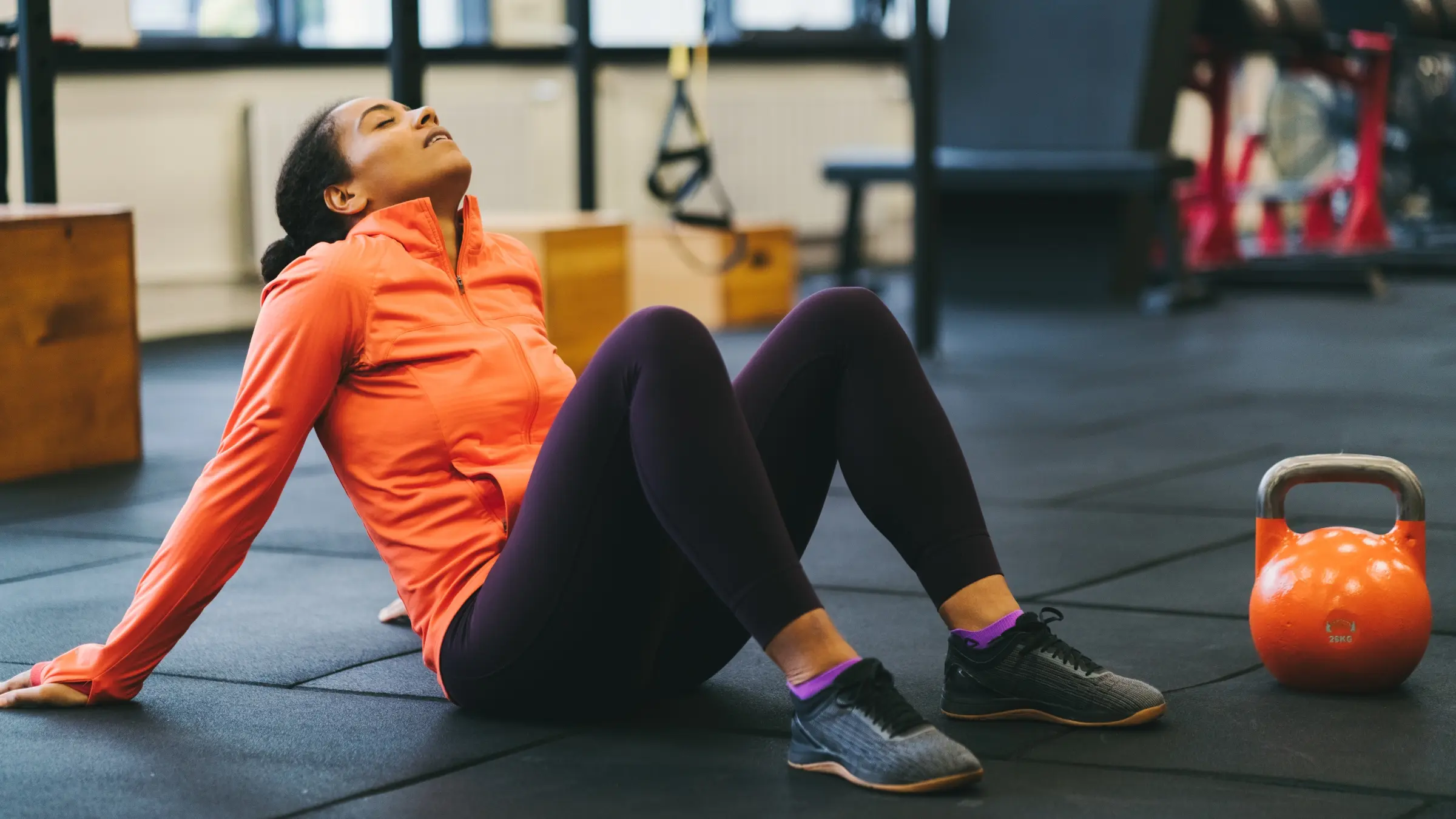
In our private personal training setting at Just You Fitness, your trainer builds the program around your goals, your fitness level, and anything you're working around, whether that's a cranky knee, a stiff lower back, or a busy season at work. We work with all fitness levels and can adjust around injuries and health concerns. The session also changes day to day. If you walk in exhausted, your trainer sees it and adapts, instead of you pushing through a plan that was written for a different week.
Someone Is Actually Watching Your Form
On a gym floor, the person closest to you is usually another member, not a coach. Form mistakes can go unnoticed for months, and they're the kind of mistakes that eventually turn into sore joints and stalled progress.
With one-on-one training, every rep has a set of experienced eyes on it. Small cues, like where your weight sits in your feet during a squat or how your ribs stack when you press overhead, get corrected in real time. It makes the work safer, and it makes it more effective, because the muscles you're trying to train are the ones doing the work.
Accountability That Isn't Anonymous
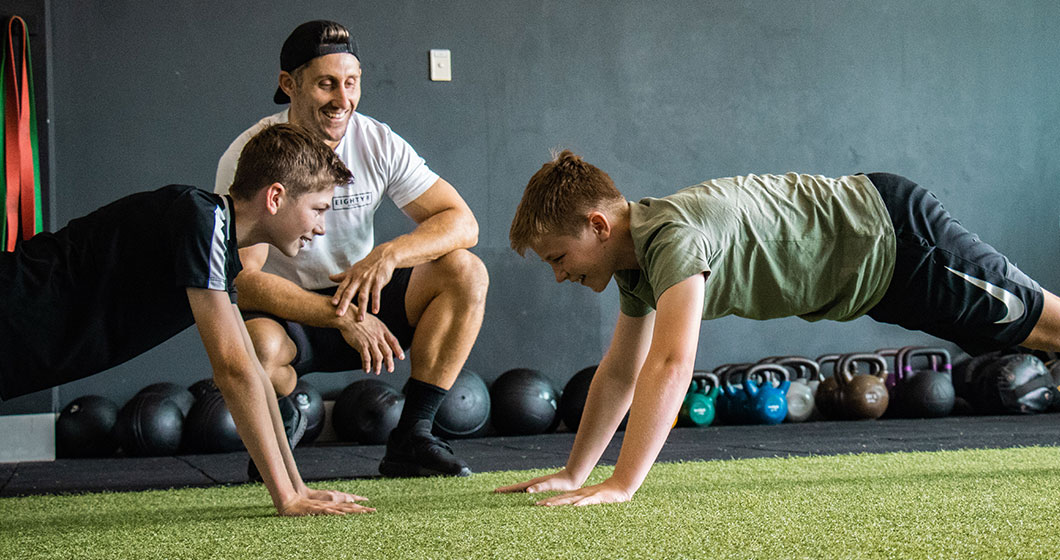
In a big gym, you're a member number. If you skip a week, nobody notices. In a private studio, your trainer knows your schedule, knows what you did last session, and is expecting you. That's a quiet kind of accountability that works for a lot of people, because skipping isn't invisible anymore.
It doesn't have to feel like pressure. For most clients, it just means there's a person on the other end who's glad when you show up and curious when you don't.
Who a Private Studio Is Best For
It's not for everyone, and it isn't meant to be. People who love the energy of a busy gym floor, already know their way around the equipment, and stay consistent on their own may be perfectly happy with a membership. A private studio tends to suit people who've tried gyms and drifted away, who want to be coached, who feel self-conscious, who are coming back from a break or an injury, or who simply don't want to wait for equipment during a busy week.
If any of that sounds like you, the best way to see what it's like is to try it.
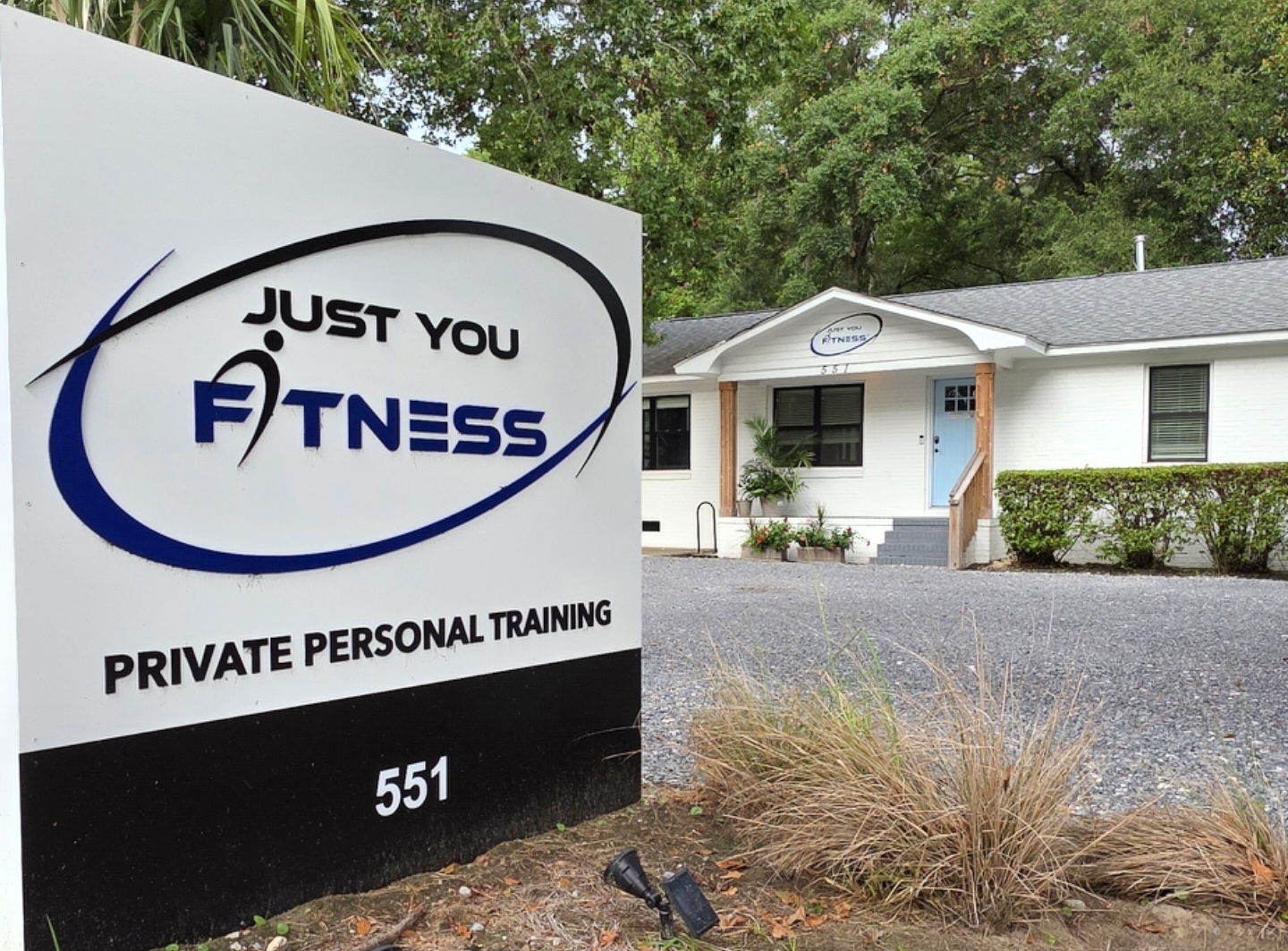
Want to see what training with the door closed feels like? Book a free session at our James Island studio and find out if it fits!