Starting Strength Training in Your 50s or 60s: What's Actually Different
Thinking about starting strength training in your 50s or 60s? Here's what's genuinely different about training at this stage, and why it still works.
By
September 15, 2026

I get some version of this question almost every month from someone new walking into our private personal training studio: is it too late for me to start lifting weights at my age. The honest answer is no, not even close. What's true is that starting strength training in your 50s or 60s looks different than it does at 25, and pretending otherwise is how people either get hurt or get discouraged and quit. So let's talk about what's actually different, not the sanitized version.
Muscle responds to strength training at every age. That part doesn't change. What does change is recovery. At 28, you can hammer a muscle group hard, feel wrecked for a day, and bounce back by the next session. At 55 or 60, that same intensity might leave you sore for four or five days instead of one or two. This isn't a sign that training isn't working. It's a sign that the recovery window needs to be respected differently than it used to.
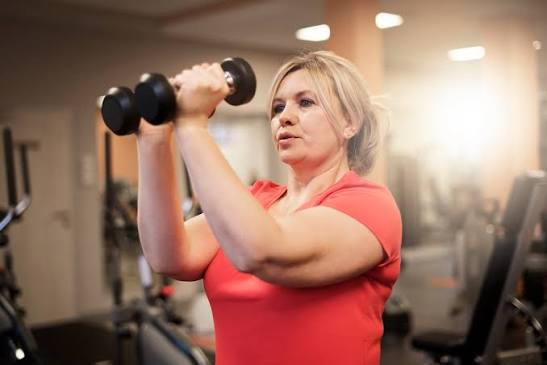
I had a client start with us a couple years back, 61 years old, hadn't lifted anything heavier than groceries in over a decade. She assumed she'd need to start with almost nothing. Within six weeks she was doing goblet squats with real weight and trap bar deadlifts that would've surprised her a month earlier. The strength was always available. What she needed was a program that respected her recovery timeline instead of copying a plan built for someone thirty years younger.
A common assumption is that people over 50 should avoid heavy lifting altogether and stick to light weights and high reps. That's mostly backwards. Bone density and muscle mass both benefit from real resistance, not endless light reps. What actually needs to change is the warm-up. A 25-year-old might get away with a couple minutes of movement before loading a bar. At 55, joints and connective tissue generally need a longer runway, more mobility work, more deliberate warm-up sets building up to the working weight, before anything heavy happens.
Skipping that step is where people run into trouble, and it's also where a lot of the fear around strength training at this age actually comes from. It's not the lifting itself that causes problems. It's rushing into it the same way you might have at 30.
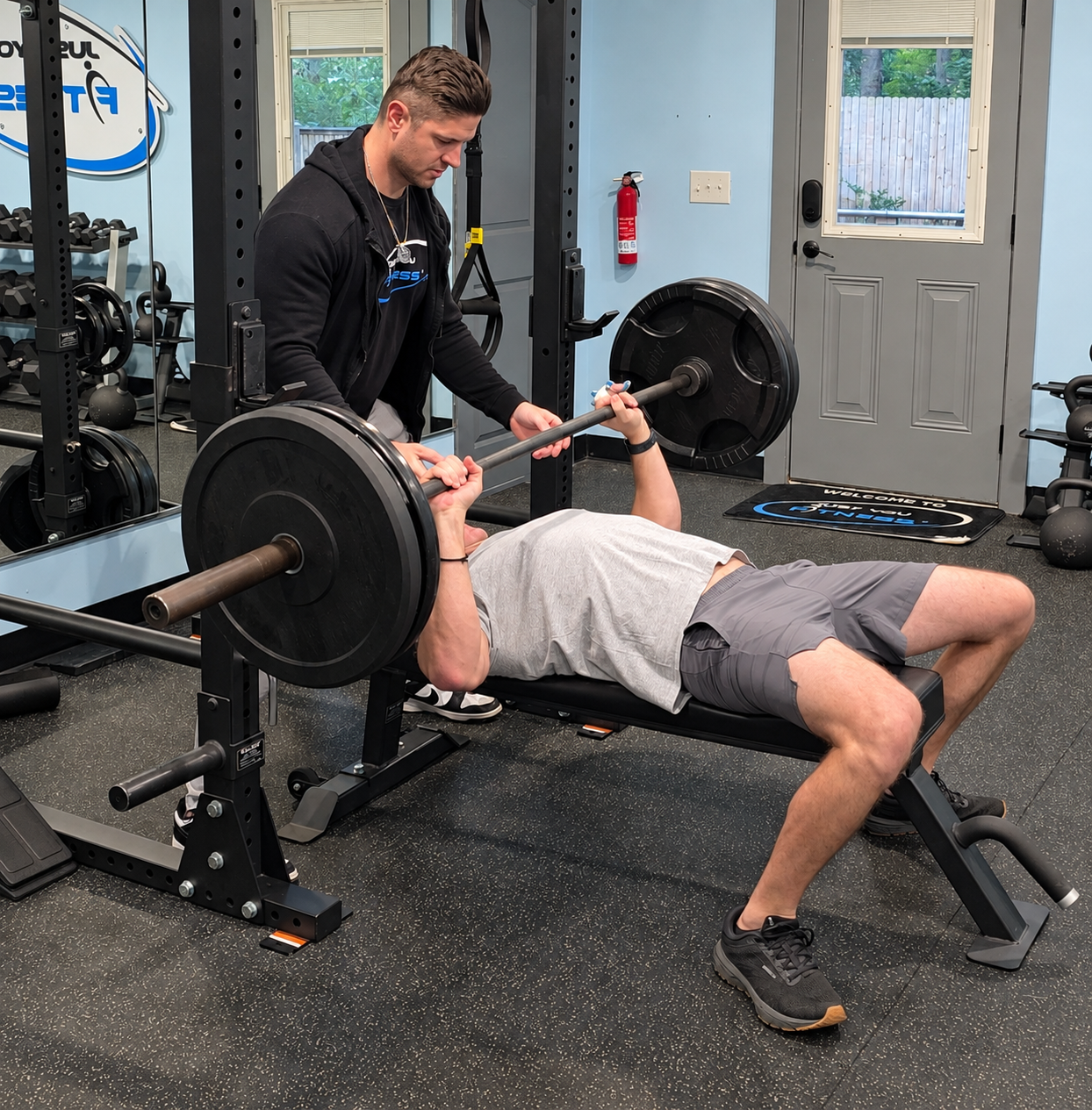
Technique has always mattered, but the margin for error shrinks a bit as you get older, mostly because tissue quality changes and the cost of a bad rep is higher than it used to be. This is a real argument for private personal training over a group class or a self-directed gym routine at this stage. In a one-on-one setting, someone's actually watching your hip hinge on every single rep, not just glancing over every few minutes. Small technique corrections that would go unnoticed in a crowded gym get caught immediately in a private studio, and that catches problems before they become injuries.
Most new clients in their 50s or 60s start with basic patterns: a squat variation, a hip hinge, a push, a pull, done with manageable weight and real attention to how each rep feels. Progress in the first month is usually about pattern quality, not load. Getting the movement right consistently matters more early on than how much weight is on the bar. Once that's solid, load increases naturally and safely.
It's also worth saying plainly that starting later doesn't mean starting from zero forever. Strength adaptations happen at a meaningful pace at any age. Clients in this age range often see real strength gains within the first eight to ten weeks, sometimes faster than younger clients who are impatient with the process and skip steps.
Muscle mass and bone density both decline with age if nothing is done to counteract it, and that decline accelerates the longer strength training is put off. Starting at 55 isn't just about how you look or feel today. It's what keeps you carrying groceries, playing with grandkids, and staying independent at 75 instead of struggling with basic daily tasks. The stakes are honestly higher at this stage than they were at 30, even though the training itself needs to be approached with more patience and more attention to recovery.
If you've been putting off strength training because you assumed you'd missed your window, that window hasn't closed. It just requires a program that's actually built for where you are right now, not a leftover plan from twenty years ago.
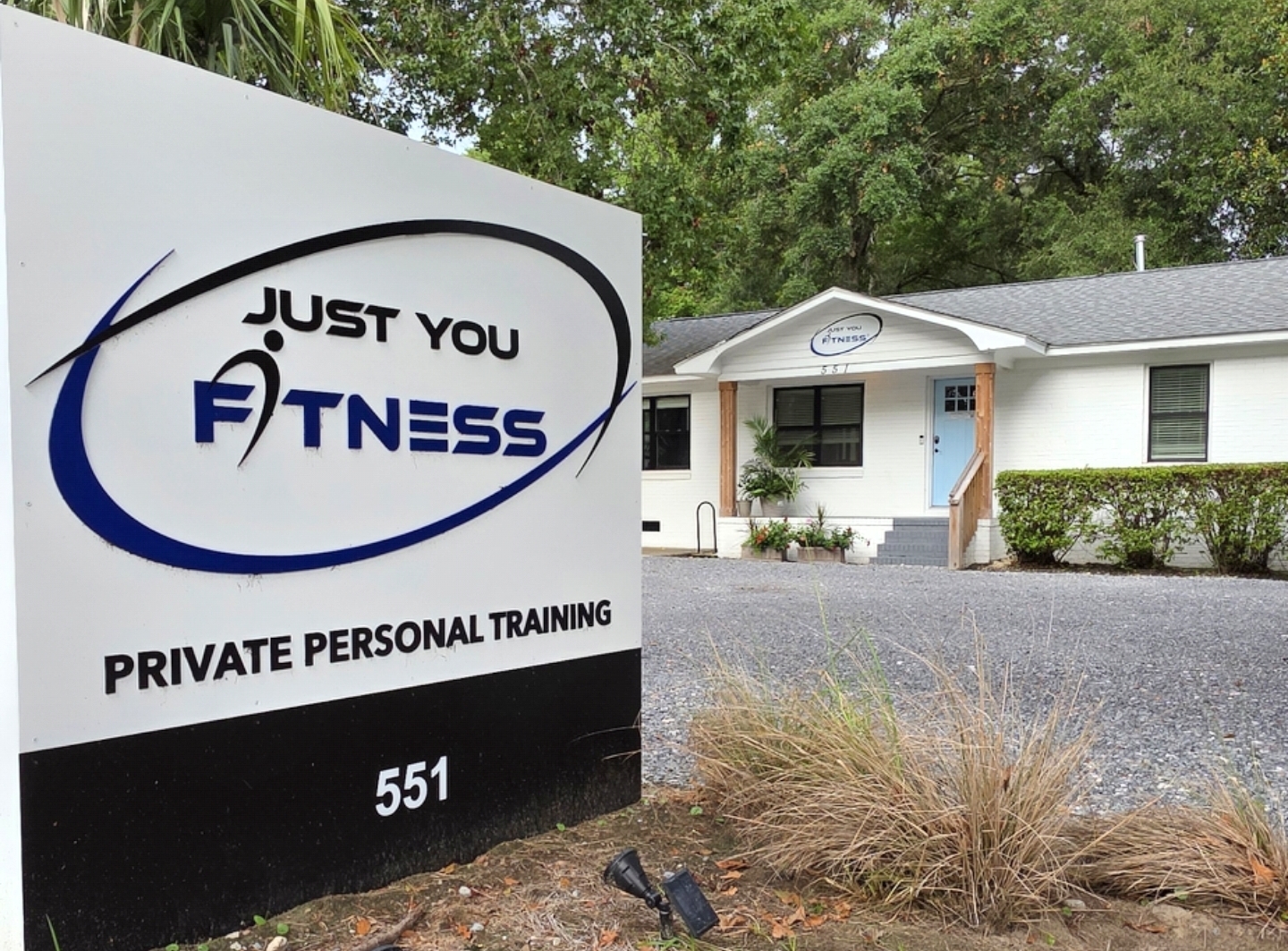
Wondering what strength training would look like for you at this stage of life? Book a free session at our James Island studio, right here in Charleston, and we'll build a plan that fits where you're starting from.











.png)

.png)

.png)


