How Strength Training Helps You Age Better Than Cardio Alone
While cardiovascular exercise absolutely plays a role in health, research shows that strength training has a far greater impact on how well you age.
By
December 8, 2025
.png)

Many people believe the key to staying young and healthy is long sessions of cardio such as walking, running, or hopping on an elliptical. While cardiovascular exercise absolutely plays a role in health, research shows that strength training has a far greater impact on how well you age. If you want to stay active, pain free, capable, and confident as you get older, strength training may be the most valuable tool you have. Here is why.
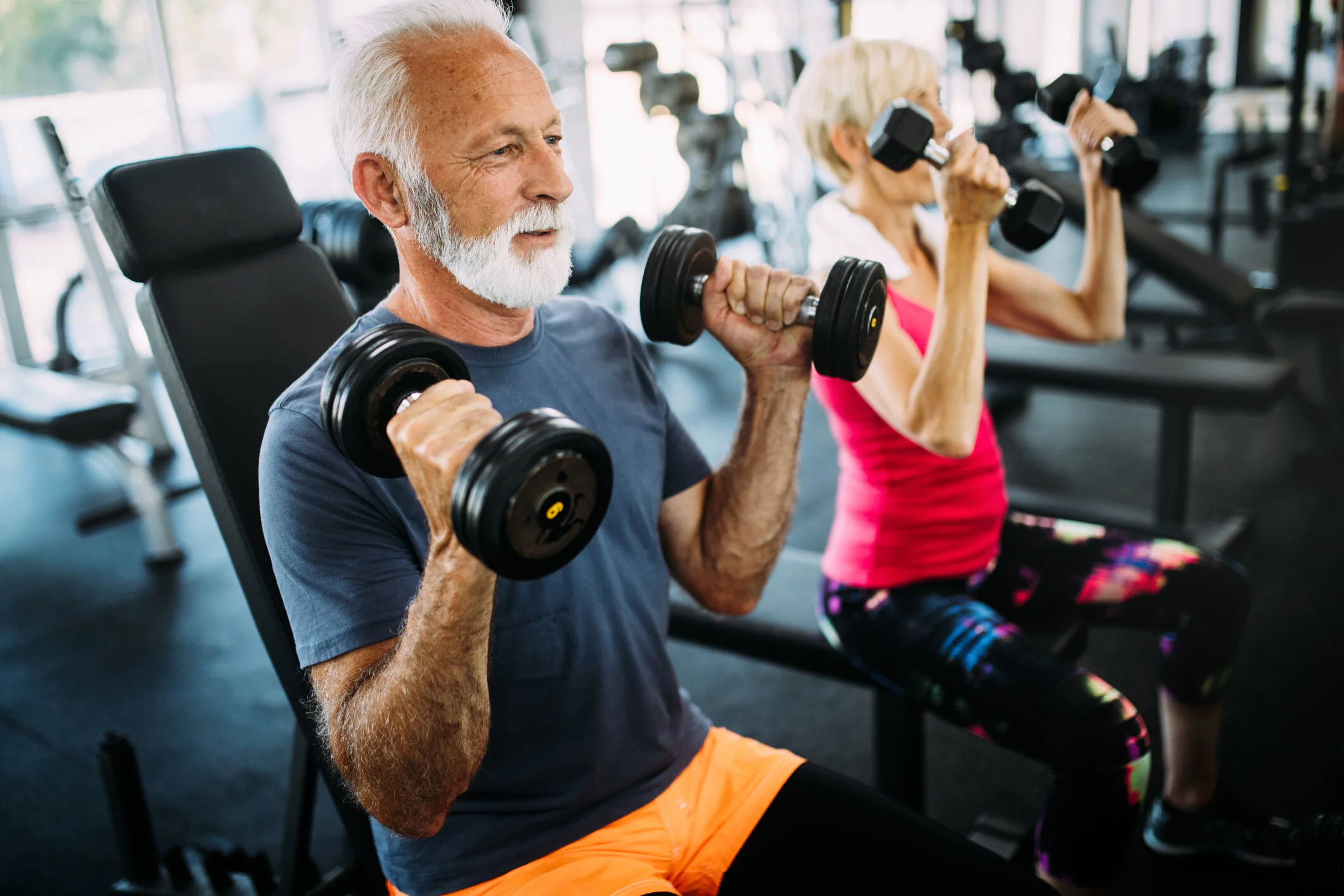
The average person loses three to five percent of their muscle mass every decade after age thirty. Less muscle means less strength, slower metabolism, reduced joint support, and increased risk of falls or injury. Strength training is the only proven way to stop and reverse age related muscle loss.
Bone density naturally decreases as we age, especially for women. Strength training sends signals to bones to rebuild and strengthen themselves, helping reduce the risk of osteoporosis and fractures. Cardio alone does not provide enough stimulus for meaningful bone density improvement.
Muscle tissue burns calories even at rest. The more lean mass you maintain, the easier it is to manage weight and energy levels. Strength training protects your metabolism, helping you avoid the slow weight gain many people experience in midlife.
Strong muscles protect joints, improve balance, and enhance overall movement. This reduces the risk of falls and pain, keeping you active longer. This is critical for independence as we age.
Many people think lifting weights only builds muscle, but the demands of resistance training stimulate the heart, lungs, and circulatory system in ways that improve blood pressure, insulin sensitivity, and cardiovascular health. What surprises many people is that strength training often improves heart health just as much as traditional cardio does.
When your body feels strong, daily activities become easier. Carrying groceries, getting up from the floor, golfing, traveling, and climbing stairs all improve. Strength training does not just extend lifespan. It improves health span, meaning you live better for longer.
Feeling yourself get stronger improves confidence, mindset, and belief in your ability to handle life. The emotional benefit matters just as much as the physical one.
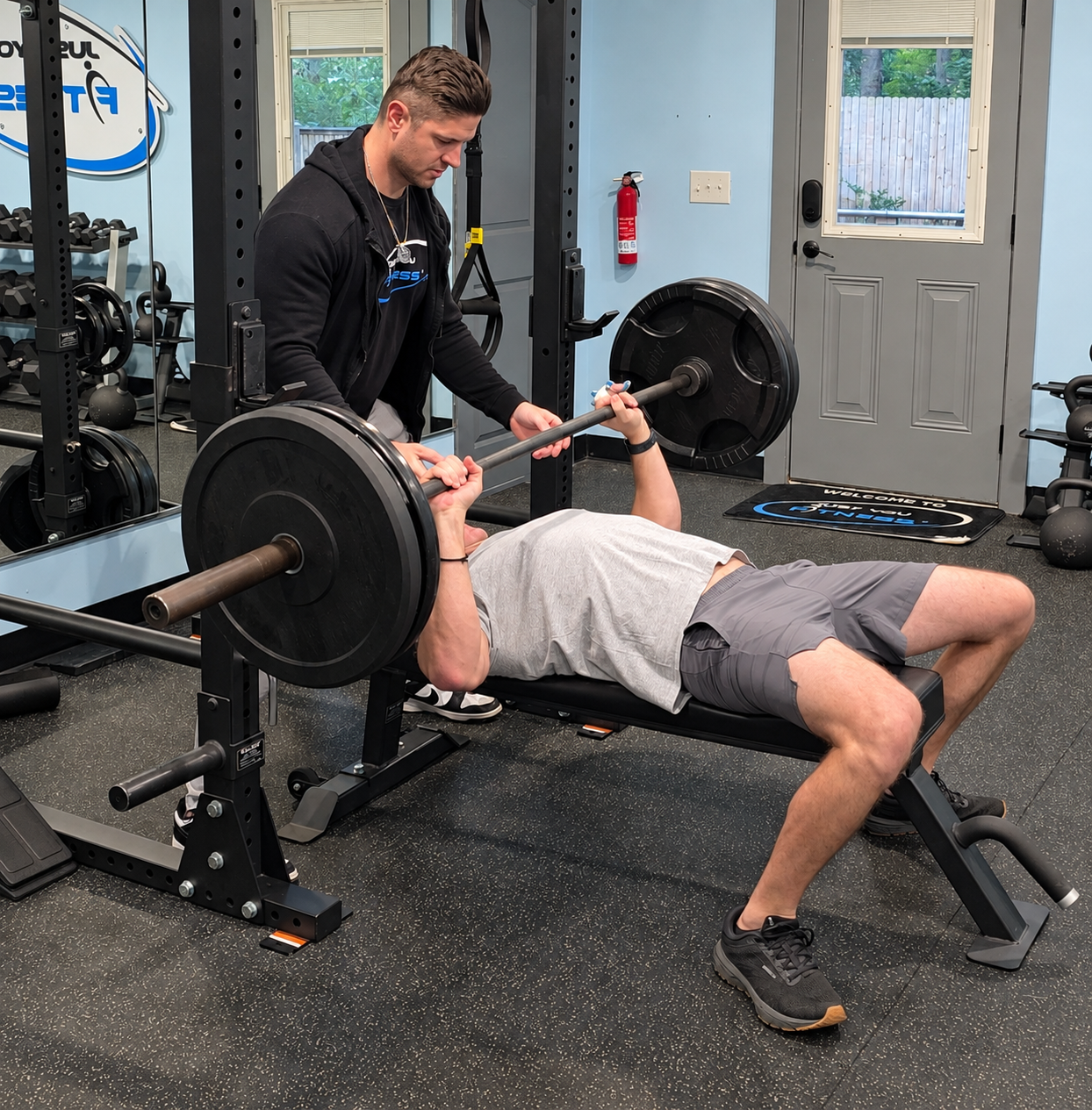
Cardio is beneficial, but if you want to age gracefully, stay active, reduce pain, maintain strength, mobility, and balance, and live a higher quality of life, strength training must be part of your routine. You are never too old, too inexperienced, too out of shape, or too busy to start. With a guided program and expert support, you can rebuild your body and your health at any stage of life.







.png)

.png)


