What Actually Happens to Your Muscle on GLP-1 Medications (And How to Stop It)
GLP-1 weight loss doesn't just burn fat - a real portion of it can come from muscle. Here's why that happens and what actually prevents it.
By
August 11, 2026
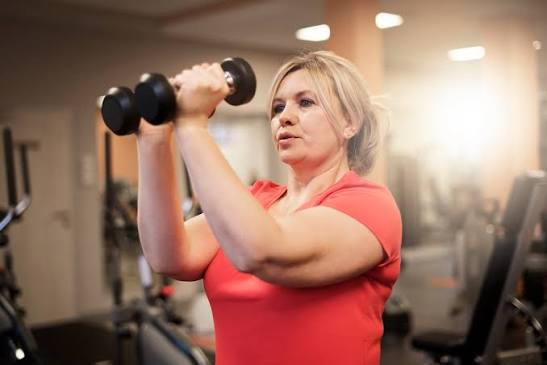

If you're losing weight on a GLP-1 medication, here's something worth knowing early rather than three months in when you notice your arms look smaller but your weight loss has you feeling great: not all of that weight coming off is fat. A meaningful chunk of it, for a lot of people, is muscle. Nobody tells you this at the pharmacy counter, and honestly, most people don't find out until a coach or a doctor brings it up.
This isn't a reason to be scared of the medication. It's a reason to train differently while you're on it.
GLP-1 medications work by suppressing appetite, and that's the whole point: you eat less because you genuinely feel less hungry. The problem is that your body doesn't automatically know to protect muscle tissue when it's running on fewer calories. Left to its own devices, your body will pull energy from wherever's convenient, and muscle is metabolically expensive to maintain. When intake drops fast, muscle is often one of the first things to go, right alongside fat.
Research on GLP-1 medications has consistently found that a notable percentage of total weight lost - often somewhere in the range of a quarter to a third - )comes from lean mass rather than fat. That number moves depending on age, activity level, and starting body composition, but the pattern holds across most of the studies. It's not a flaw specific to any one drug. It's what happens any time weight comes off fast without a deliberate reason for the body to hold onto muscle.
I had a client last year, early 50s, six months into a GLP-1 program before she started with us. Scale-wise she was thrilled: down close to 30 pounds. But she mentioned she'd started struggling to carry groceries up her back stairs, which hadn't been an issue before. That's a classic sign. The number on the scale looked like success. Her actual strength had quietly gone backward.
Muscle doesn't stick around by accident. Your body needs a reason to hold onto it, and there are really only two levers that give it one.
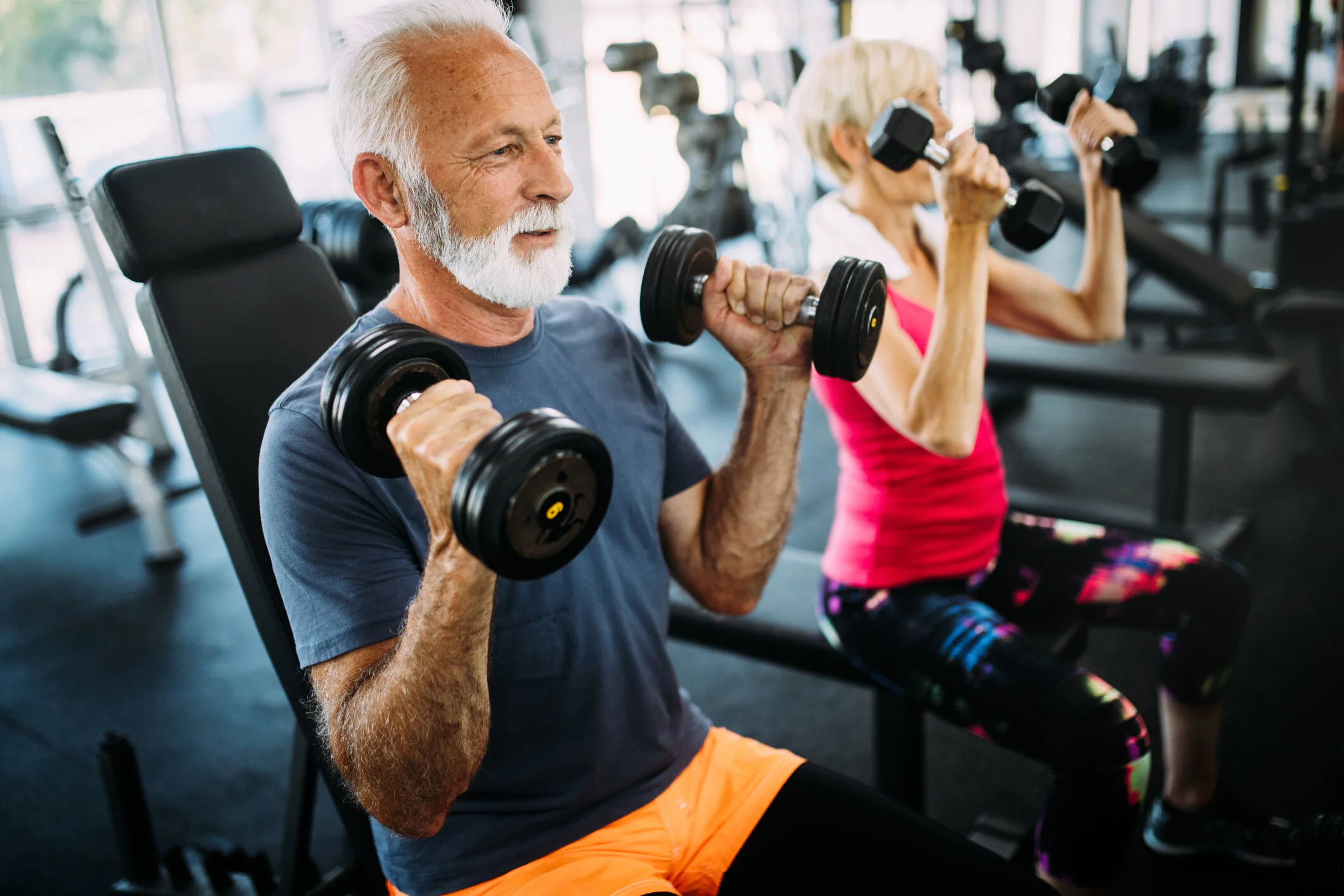
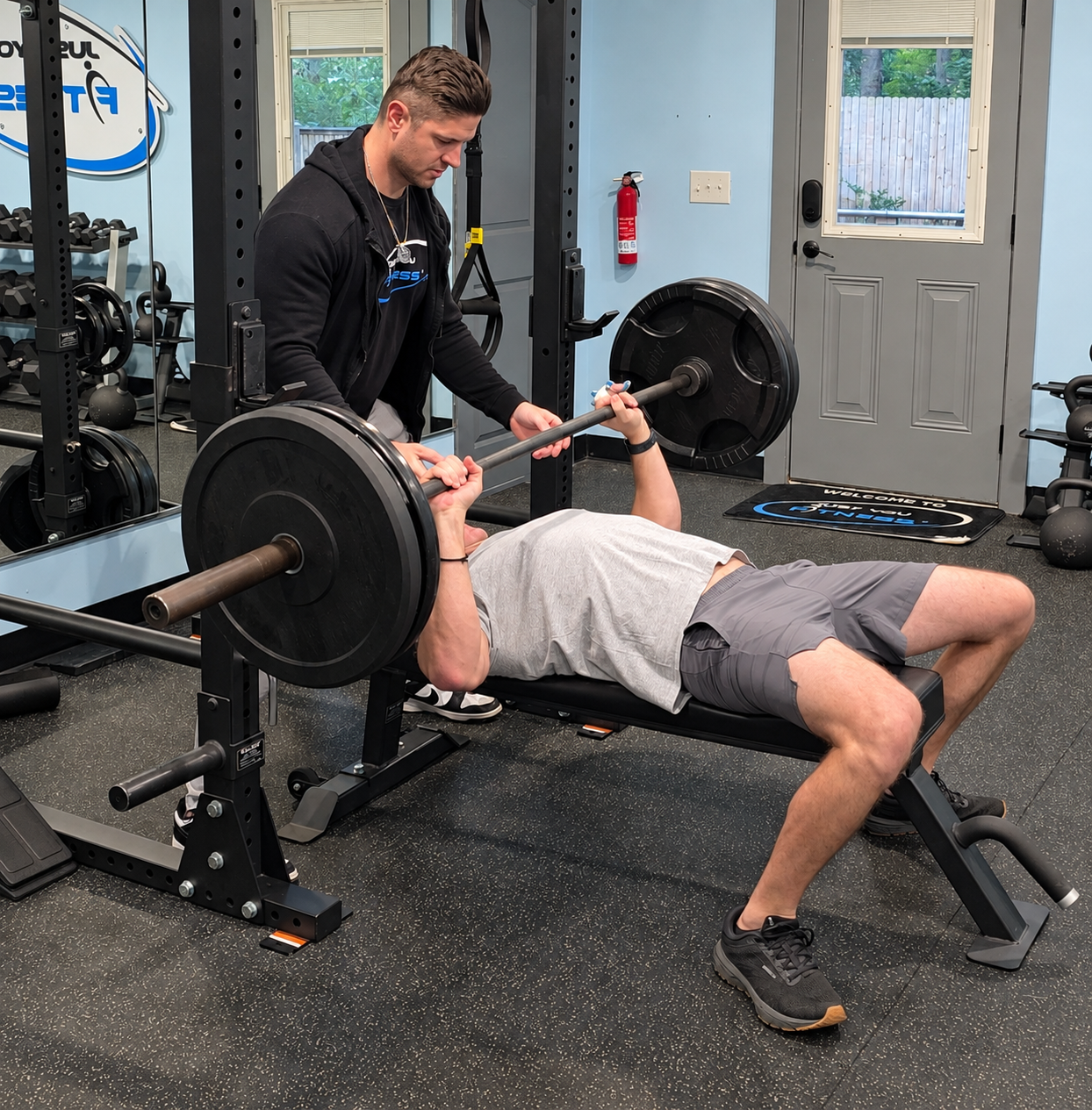
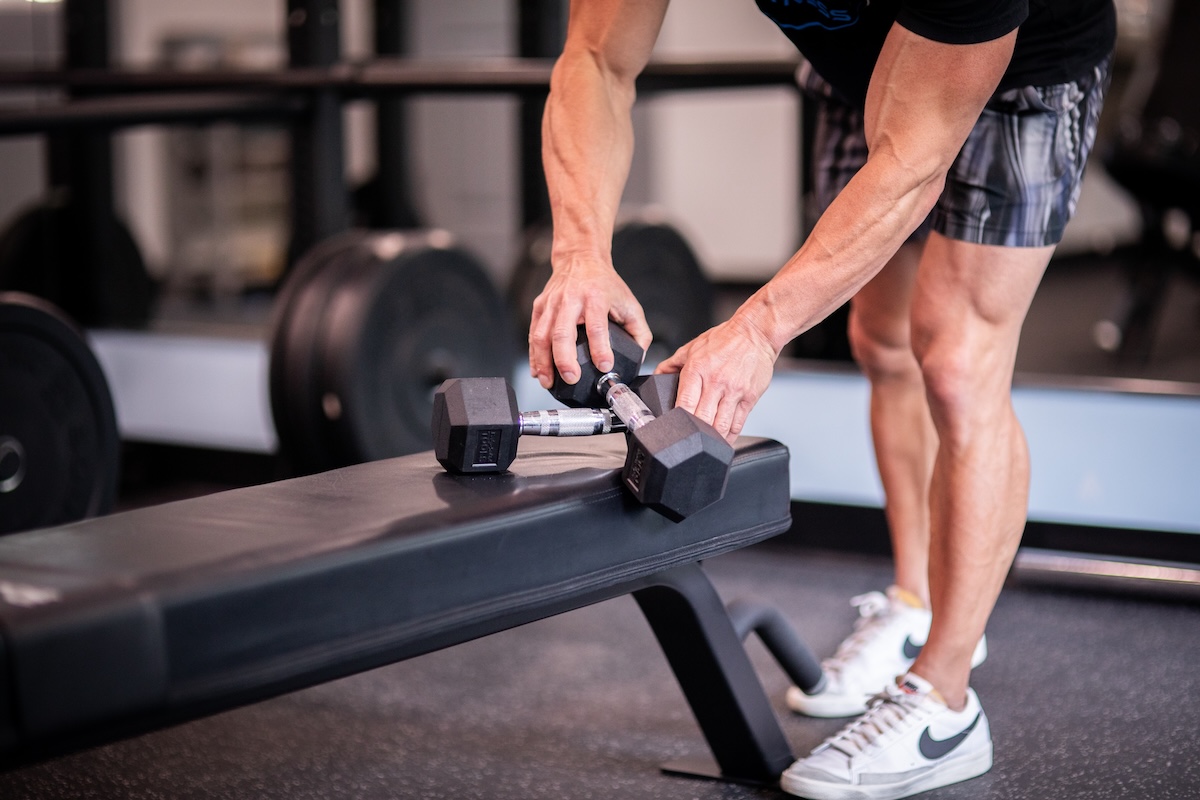
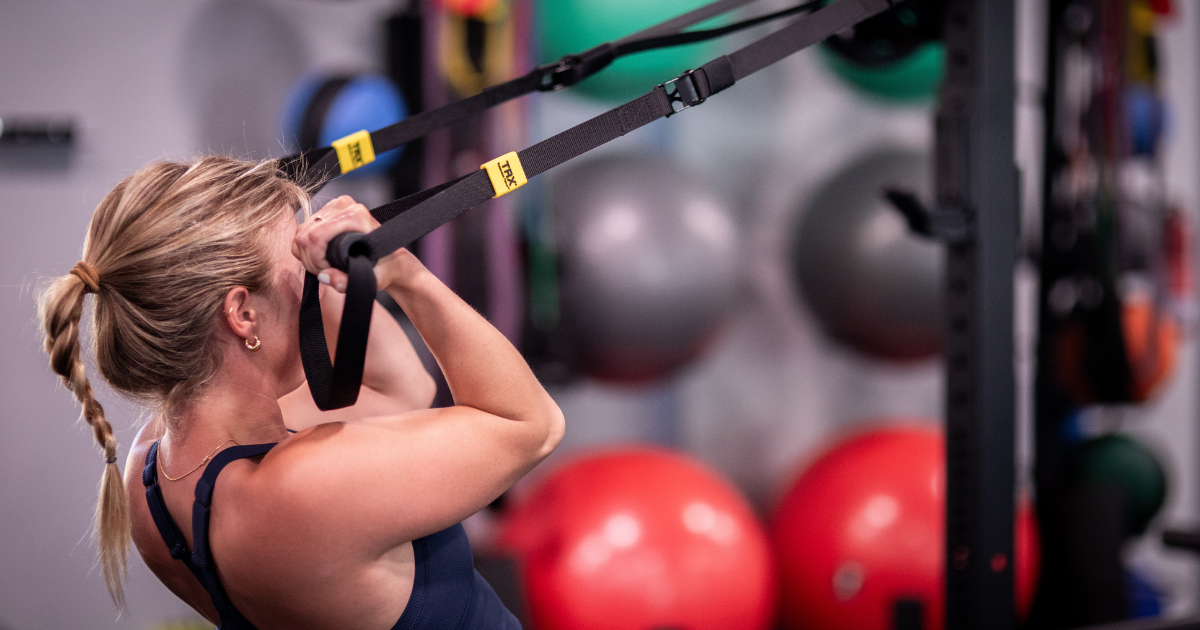
Resistance training. This is non-negotiable, not optional add-on. When you put mechanical tension on a muscle (lifting something heavy enough that the last couple reps feel genuinely hard) you're sending a signal that this tissue is still needed. Skip that signal and your body treats muscle as expendable weight, same as fat. Two to three focused strength sessions a week is generally enough to make a real difference, and it doesn't need to be complicated. Squats, presses, rows, hip hinges... the basics, done consistently, with weight that actually challenges you.
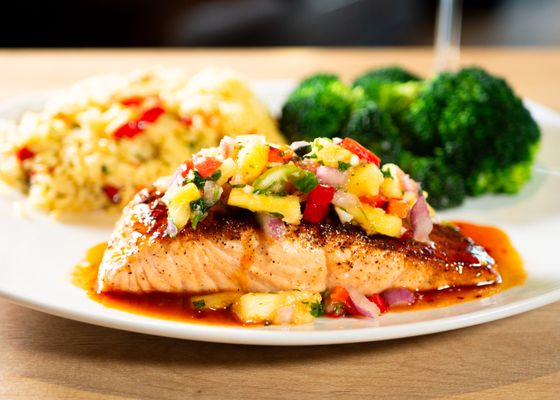
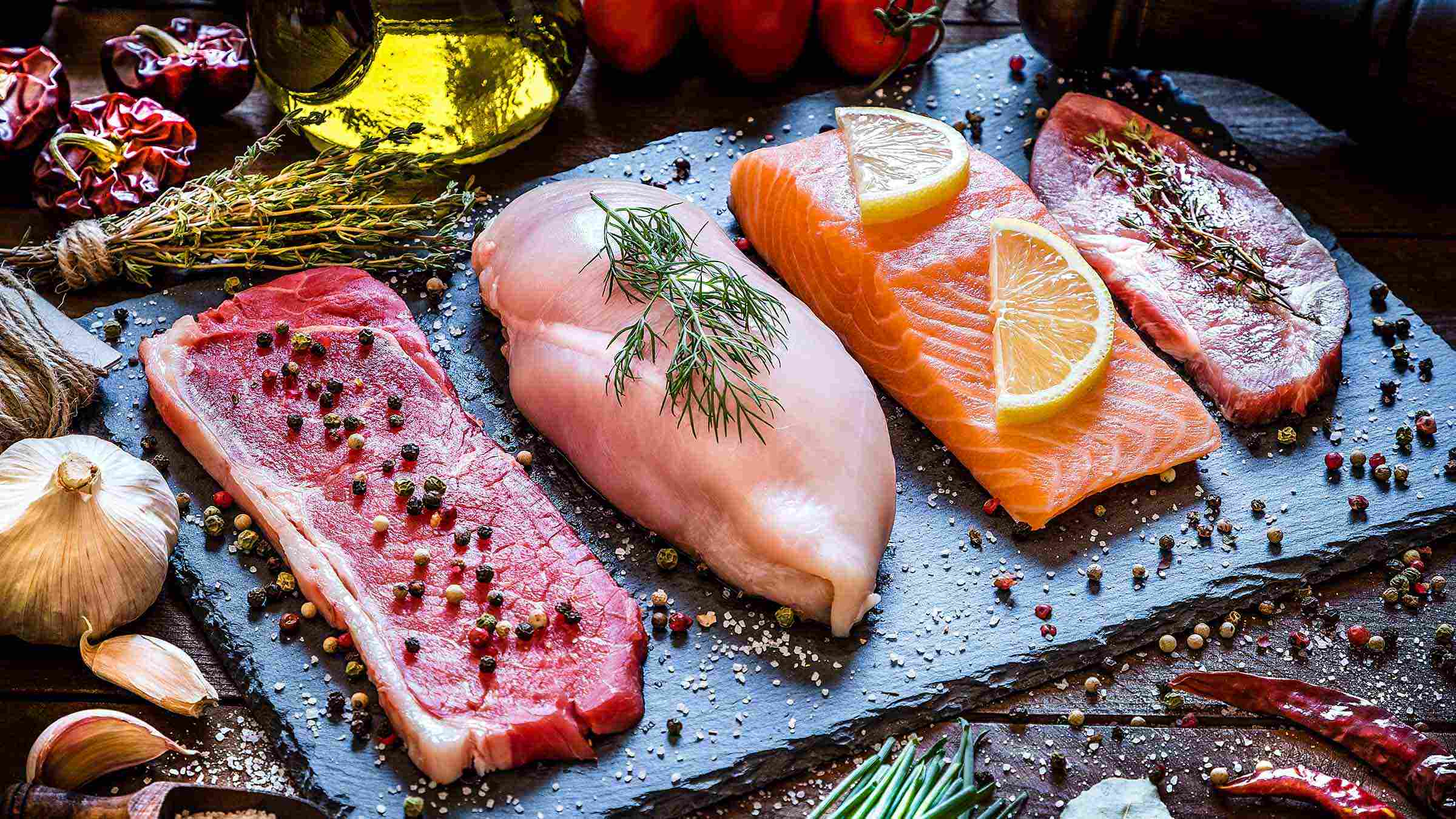
Protein intake that matches the calorie deficit. On a normal diet, most people can get away with moderate protein. On a GLP-1, where appetite is suppressed and total food volume drops, protein needs to become a priority almost every meal, because there's less overall food to spread it across. A rough target a lot of coaches use is somewhere around 0.7 to 1 gram of protein per pound of goal body weight, spread across the day rather than crammed into one meal. With appetite suppressed, that often means prioritizing protein first on the plate, before anything else, simply because you may not have room left for it if you eat vegetables and carbs first.
In practice, this isn't complicated, but it does require someone paying attention. It means starting or continuing strength training from day one of the medication rather than waiting to "see how the weight loss goes" first. It means checking in on protein intake regularly, not just assuming it's happening. And it means occasionally checking body composition (not just the scale) so you can actually see whether the weight coming off is fat or whether it's starting to eat into muscle.
That last piece is where a lot of people get surprised. The scale can drop steadily for months while strength quietly declines, and if you're only tracking the number, you won't catch it until it's already noticeable in daily life: stairs feel harder, jars are tougher to open, that kind of thing.
Preserving muscle during a GLP-1 program isn't really about aesthetics, even though that's usually what people think of first. Muscle is what keeps your metabolism from tanking as you lose weight, it's what protects your joints, and it's a huge factor in staying functional and independent as you get older. Losing fat without losing muscle is the actual goal. Losing weight in general is just the easy headline version of that.
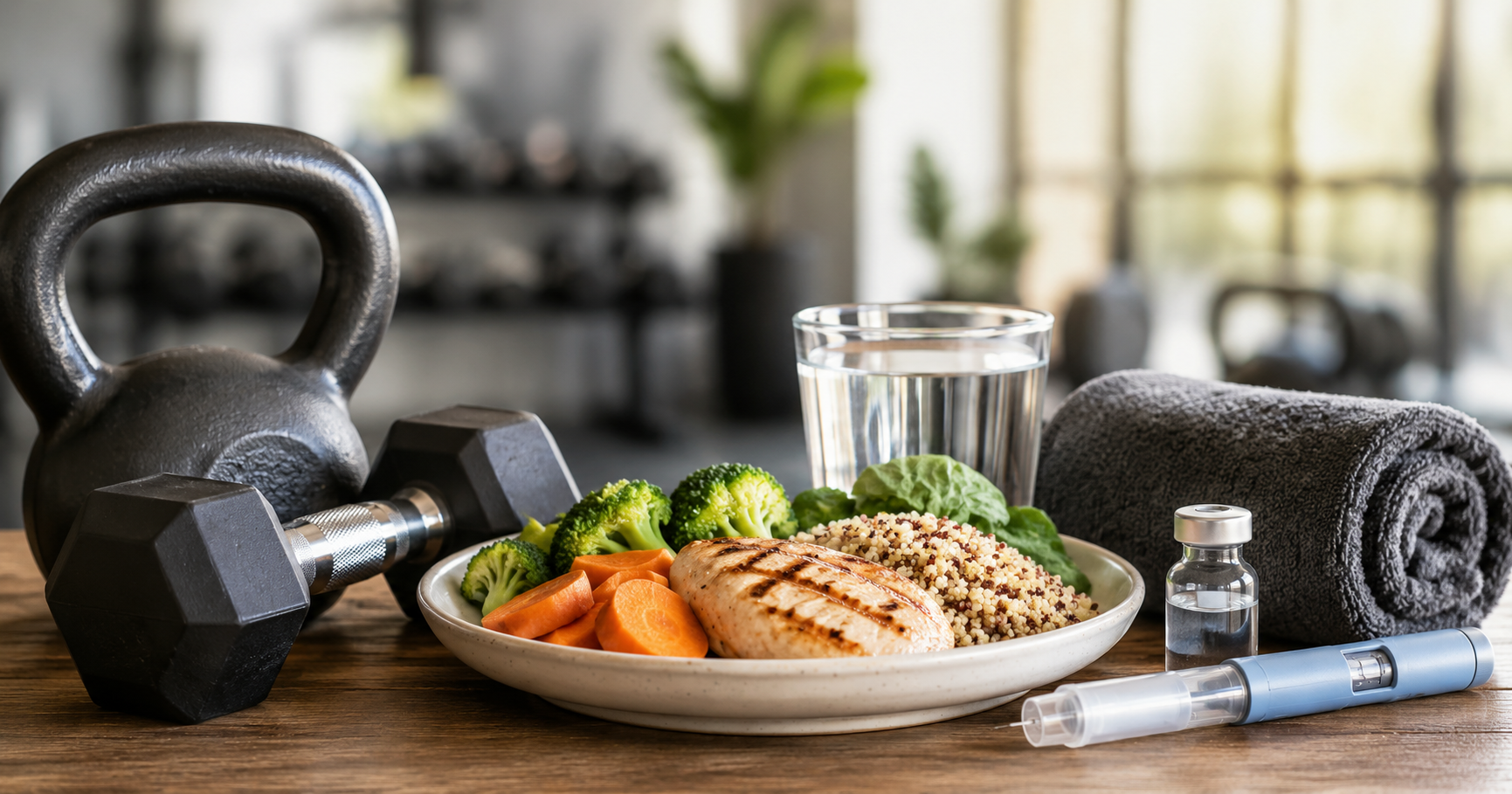
If you're on a GLP-1 medication, or thinking about starting one, the training and nutrition side isn't something to figure out after the fact. It works best built in from week one.
Have questions about how muscle preservation fits into your GLP-1 plan? Book a free session and we'll walk through where you're at and what a coach-led approach would look like alongside your medication.




.png)

.png)

.png)


