Meal Prep for People Who Hate Meal Prepping
Easy meal prep for people who hate meal prepping: a low-effort system that takes under an hour a week, with no 21 matching containers required.
By
October 13, 2026
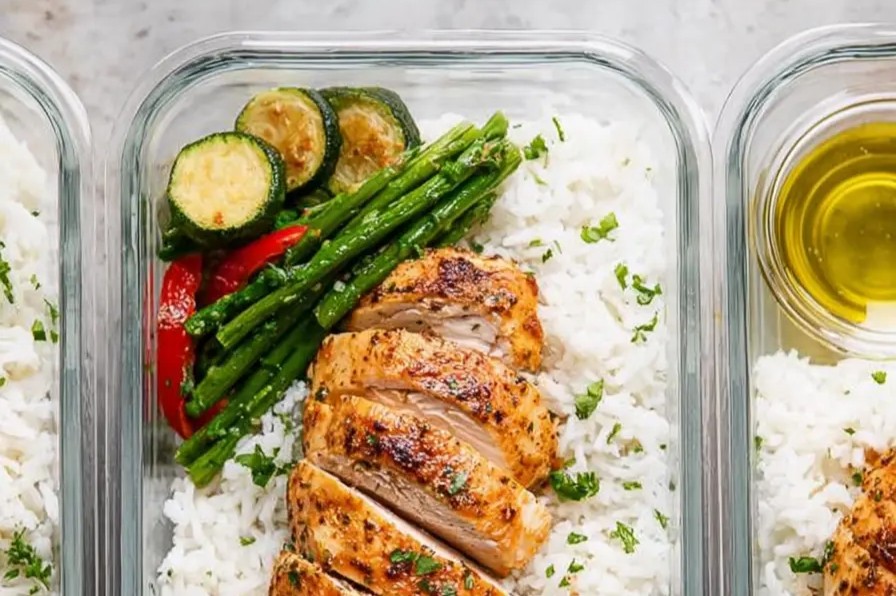

Most meal prep advice is written by people who genuinely enjoy meal prep. They love the Sunday ritual, the color-coded containers, the satisfaction of seeing fourteen identical lunches stacked in the fridge. If that's you, great. This post isn't for you. This is for the rest of us, the people who tried it for two weeks, got sick of eating the same chicken and rice, and quietly went back to ordering takeout. After years of personal training clients through exactly this problem, I can tell you the issue was never your discipline. The system was just built for someone else.
Here's easy meal prep for people who would rather do almost anything else.
This is the single biggest shift, and it fixes most of the boredom problem on its own. Traditional meal prep means cooking complete meals in advance, so Thursday's lunch is the same lunch you ate Monday. By Wednesday you're staring at it with zero enthusiasm.
Ingredient prep works differently. You cook a few building blocks and assemble them differently each day. Think of it as a small pantry of ready-to-go parts: a protein, a starch, a vegetable, and one sauce or topping. The same grilled chicken becomes a rice bowl on Monday, a wrap on Tuesday, and a salad on Wednesday. Same effort, three different meals.
A client of ours, a nurse who worked rotating 12-hour shifts, told me she'd quit meal prep three separate times. When we switched her to ingredient prep, she cooked for about 40 minutes on her day off: a big tray of chicken thighs, a pot of rice, and a sheet pan of roasted broccoli and peppers. Everything else she assembled in about five minutes. She told us it was the first version of meal prep she'd stuck with longer than a month.
You don't need to prep every meal. Honestly, you shouldn't. Trying to plan 21 meals a week is the fastest way to burn out in week two. Start with the meals that tend to go wrong.
For most people that's weekday lunch and the afternoon snack. Breakfast is usually predictable, and dinner is often the one meal people have the energy to handle in the moment. Lunch is where a busy day collapses into a drive-through, and the 3pm snack is where the vending machine wins. Prep those two and you've covered most of the risk.
A reasonable starting target is three proteins, two starches, and two or three vegetables per week, plus one or two sauces. That's it. If it takes you more than an hour, you're doing too much.
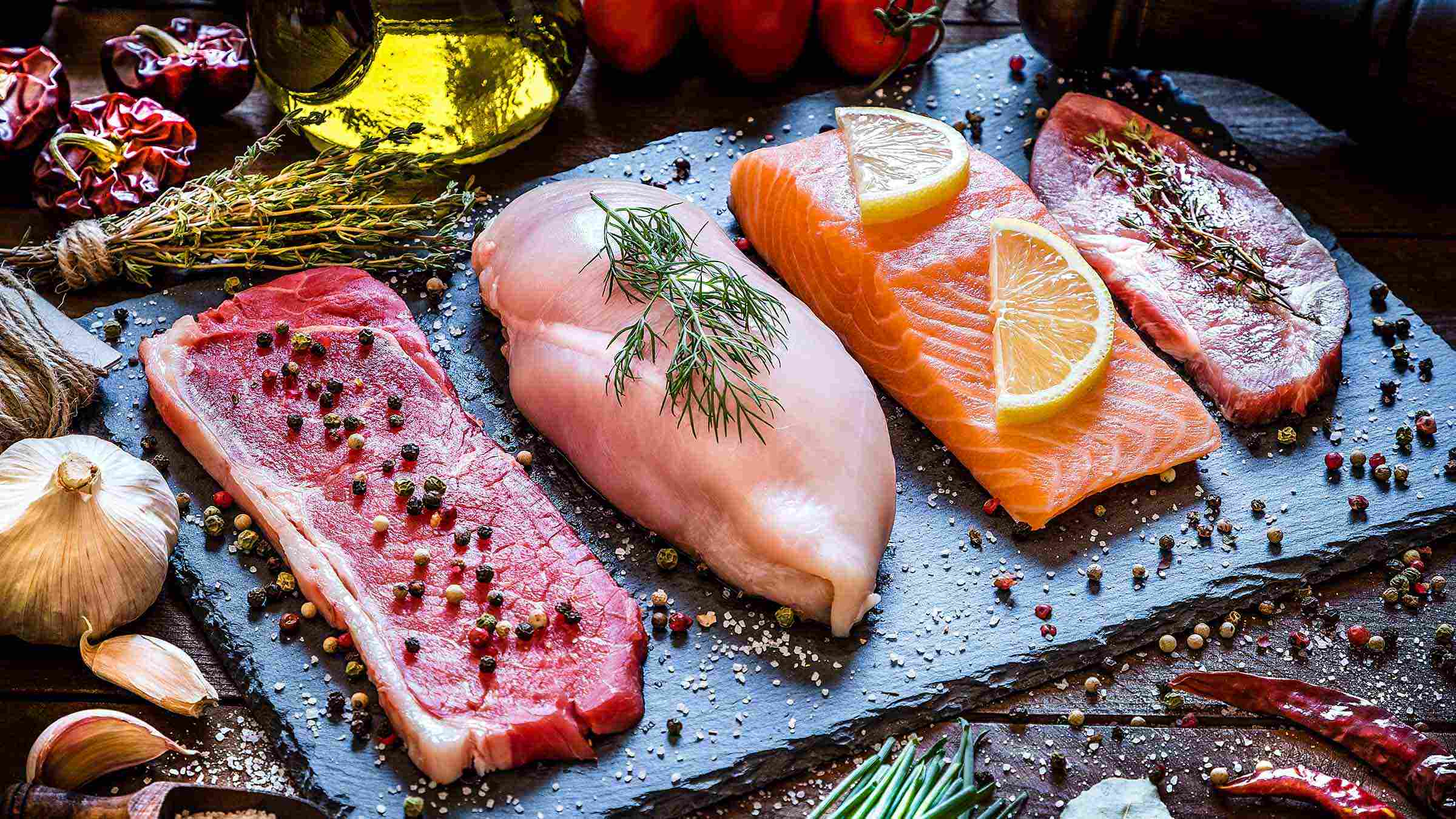
Protein is the anchor of any good prep session, and some options are far easier than others. Sheet pan chicken thighs, a pound or two of ground turkey or beef, and a dozen hard-boiled eggs all take almost no attention. You season them, put them in the oven or a pot, and walk away. Rotisserie chicken from the grocery store is a completely legitimate choice too. Nobody is grading you on whether you cooked it yourself.
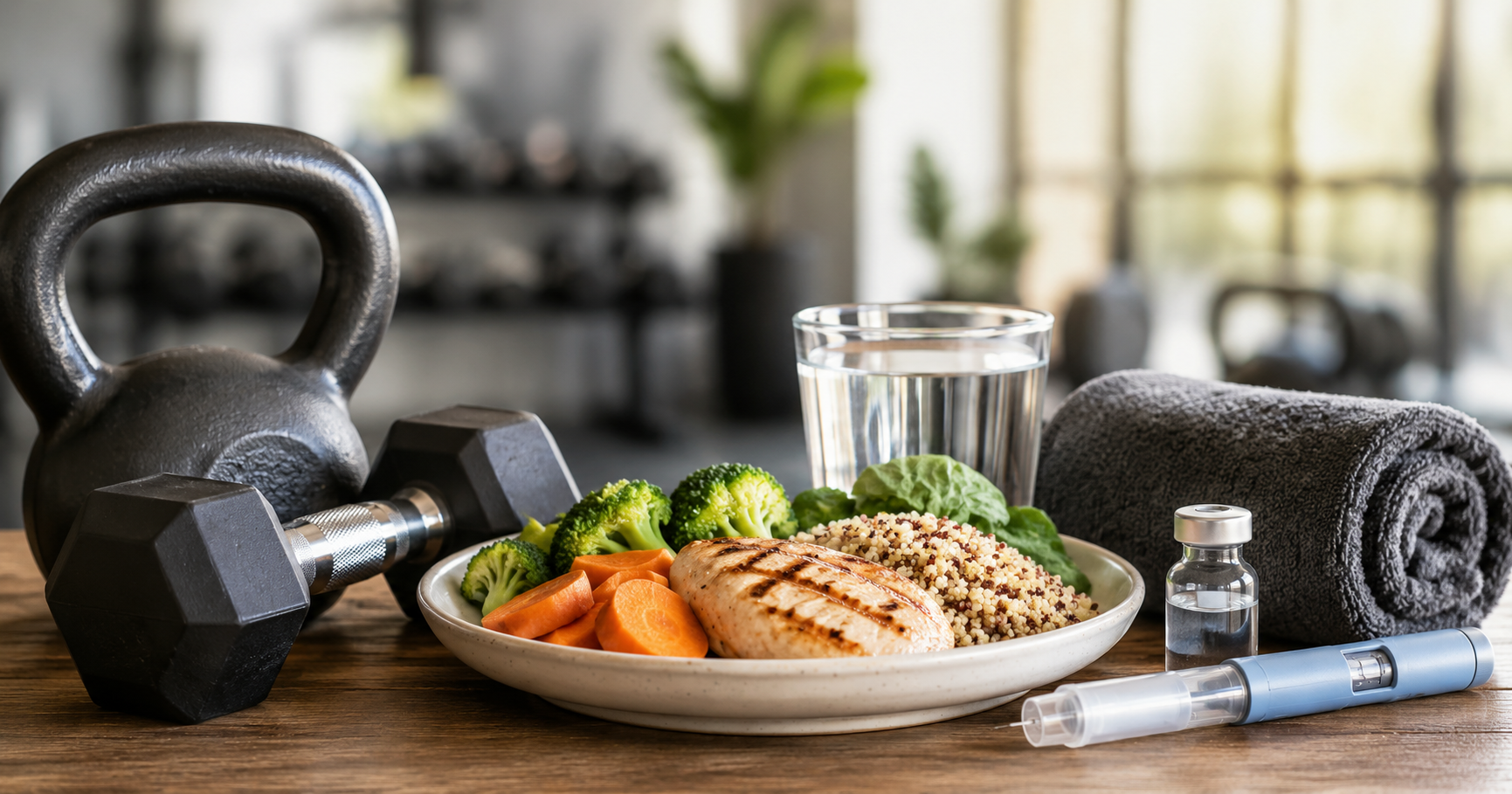
If you're trying to build more muscle or lose fat, protein is worth the effort of getting right. Having it already cooked and sitting in the fridge removes the decision at the exact moment you're tired and hungry, which is when most people make the choice they regret.
This is the part that makes purists wince, but it's what actually keeps people prepping. Pre-cut vegetables, microwave rice pouches, frozen vegetable steam bags, and bagged salad kits are all fair game. If a shortcut saves you 20 minutes and keeps you doing this every week, it's doing its job.
Frozen vegetables in particular are underrated. They're picked and frozen at peak freshness, they don't spoil before you use them, and they cook in a few minutes. If throwing away wilted produce is part of why you quit meal prep, frozen fixes that overnight.
Sauce is the cheapest way to make the same food taste different. A bottle of salsa, a jar of pesto, a tub of Greek yogurt mixed with garlic and lemon, and a good hot sauce can take the same bowl in four different directions. Rotate them through the week and the same chicken and rice doesn't feel like the same meal.
It also helps to keep prepped food for only three or four days at a time. Food stays fresher, it tastes better, and you're not forcing yourself to finish something that's been in the fridge for a week. A smaller prep done twice, say Sunday and Wednesday, often works better than one giant session.
Pick one day and set a timer for 45 to 60 minutes. Start the starch and the protein first, since those take longest, then wash and chop vegetables while they cook. Put everything in containers when it cools, then label nothing and overthink nothing. When it's time to eat, assemble a bowl, add a sauce, and you're done in five minutes.
That's the whole system. It won't make you love meal prep. It will just make it small enough that you keep doing it, which is the only version of meal prep that matters.
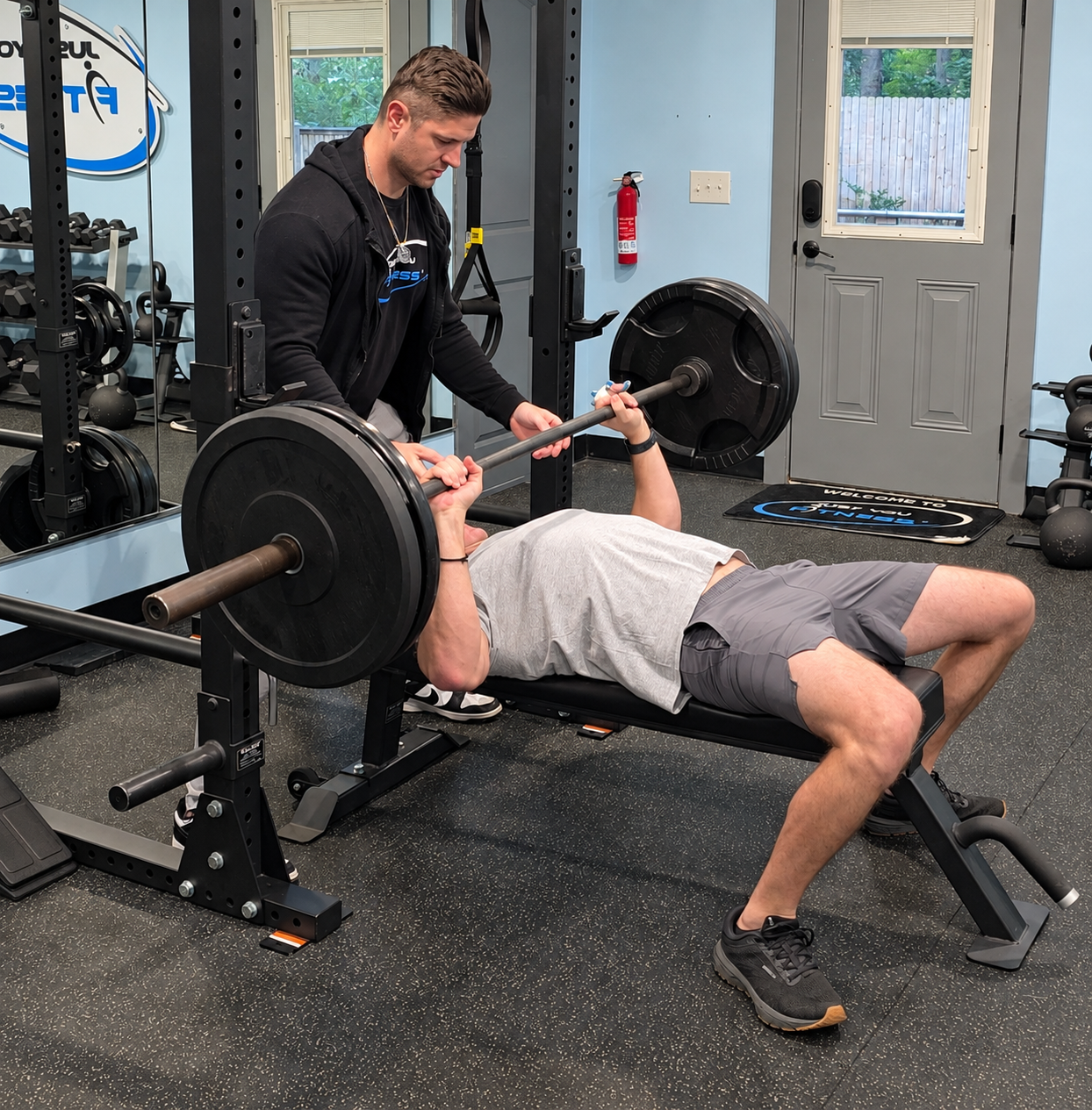
Nutrition and training work best as a pair. Most clients in our private personal training studio find that once their food is handled in the background, their workouts get noticeably better, because they're fueled, not scrambling. If you'd like help figuring out how much protein and food you actually need for your goals, that's something your trainer can walk through with you.
Want a hand building a nutrition routine that fits your real schedule? Book a free session at our studio and we'll talk through what a realistic plan could look like for you.







.png)

.png)

.png)


